How MFA Strengthens Business Security – Charleston Technology Group

Cyber threats are constantly evolving, and safeguarding your business from unauthorized access has become more crucial than ever. One of the most effective ways to bolster your security is through Multi-Factor Authentication (MFA). MFA adds an extra layer of protection by requiring users to provide two or more forms of verification before accessing sensitive systems […]
Understanding SIEM Solutions and How Charleston Technology Group Enhances Cybersecurity
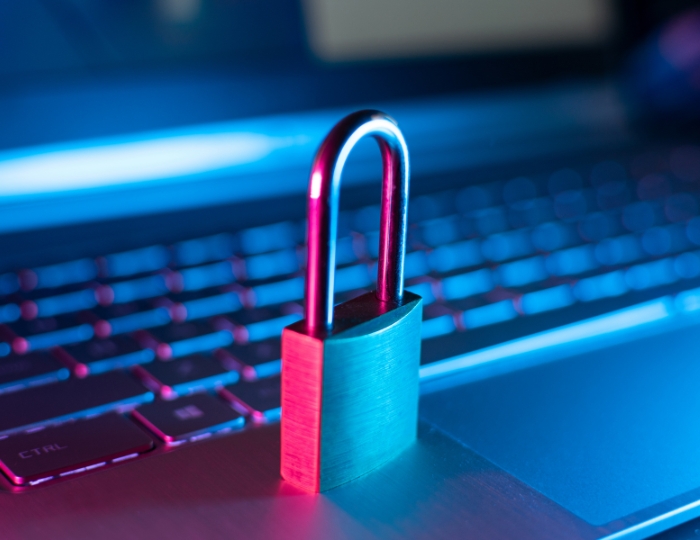
Cyber threats are rising, endangering sensitive data, finances, and reputations. Security Information and Event Management (SIEM) solutions offer robust protection. This post explores SIEM solutions, their importance, and how Charleston Technology Group’s (CTG) Managed IT Cybersecurity Services strengthen your business’s security. What is a SIEM Solution? A SIEM solution provides real-time monitoring, analysis, and management […]
Holiday Cybersecurity Tips: Protect Your Business During the Festive Season

Businesses often experience a busy and high-pressure time during the holidays. While preparing for increased sales, events, and customer interactions, business owners may overlook an important aspect — cybersecurity. The holiday season presents unique challenges for businesses, and unfortunately, cybercriminals take advantage of this time to launch a higher number of attacks. The increase in […]
The Rise of AI-Powered Cyberattacks: How to Protect Your Business
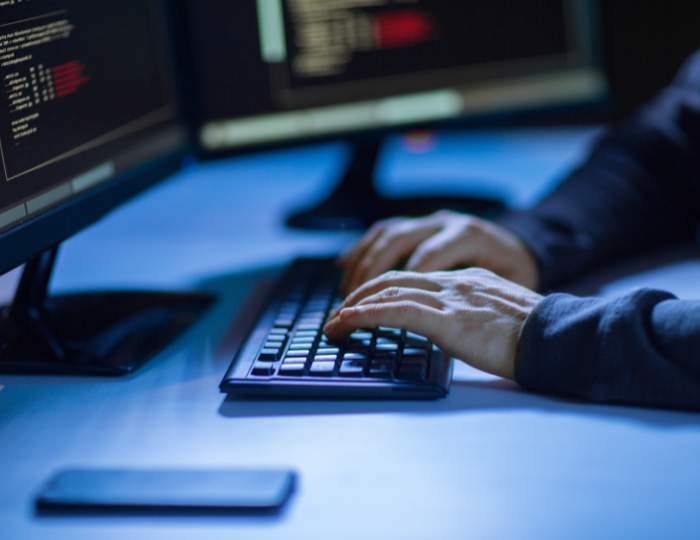
Artificial intelligence (AI) is rapidly changing the world around us, and cybersecurity is no exception. While AI can be a powerful tool for defenders, it’s also being leveraged by cybercriminals to launch increasingly sophisticated and damaging attacks. The Evolving Threat Landscape Traditional cyberattacks often rely on exploiting known vulnerabilities or using social engineering tactics. AI-powered […]
